


There are some changes you can plan for. You can move to a new city, begin a new job, or decide to learn something you have never tried before. Even when those choices are difficult, you know that you made them. A stroke is different. It does not ask whether the timing works for your family. It does not check whether your work is finished. It simply enters your life, and from that moment on, even familiar things can require a new way of living.
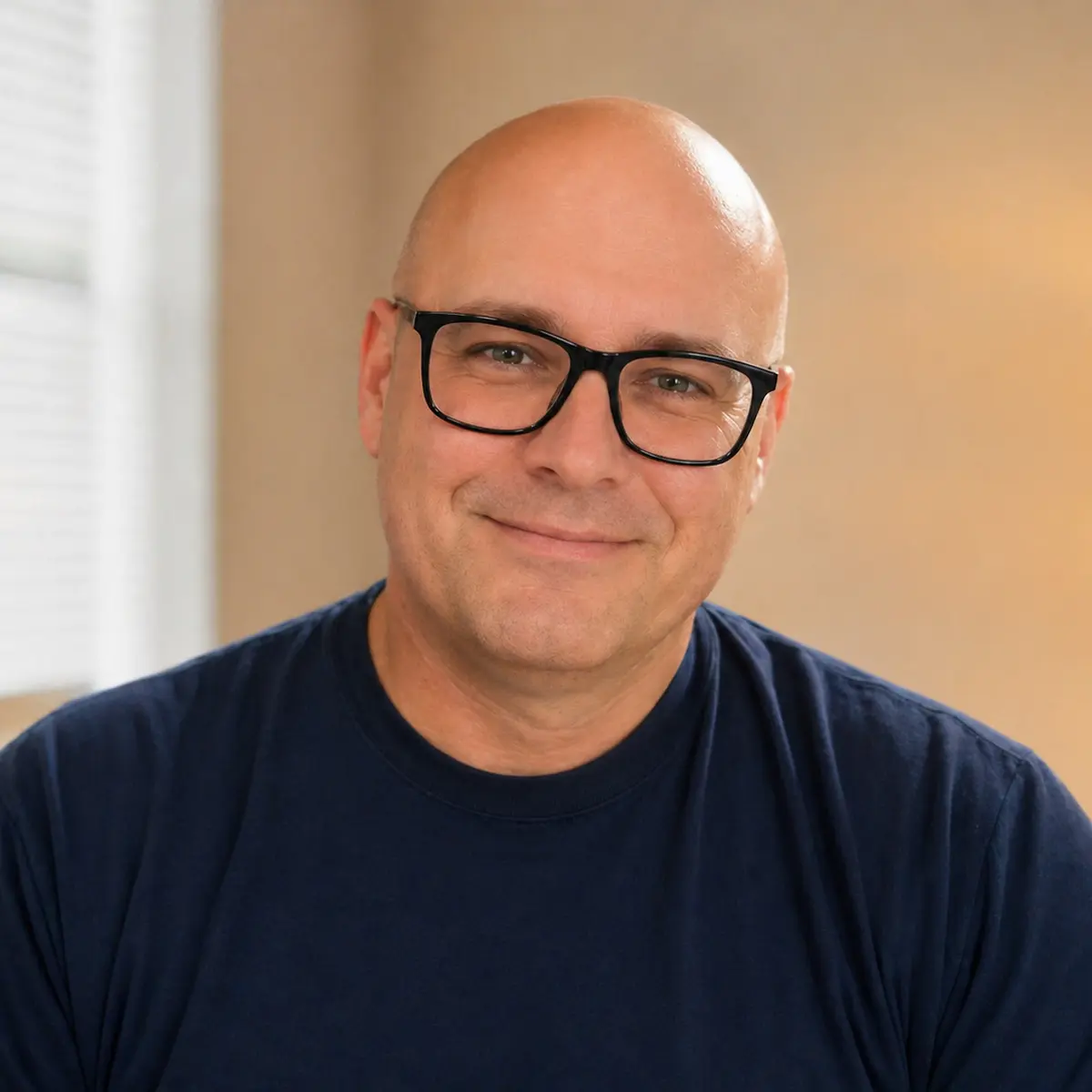
I know this because I have lived it. I am a husband, a father, a writer, and a Christian. I am also a stroke survivor who lives with lasting physical limitations. Those facts belong in the same sentence. For a long time, I was used to measuring my days by what I could accomplish. There were responsibilities to meet and problems to solve. Then my body stopped cooperating with the old plan. I discovered how easily the question “What can I do today?” becomes the more painful question “Who am I if I cannot do what I once did?”
When someone learns that you have survived something serious, there is a familiar way the story is expected to go. First comes the crisis. Then the fight. Then the inspiring return. The music rises, the person stands up, and the audience applauds. I understand why people love that kind of ending. Sometimes it happens. But for many of us, the return is incomplete. The days still contain limits, frustration, and work that other people never notice. Life goes on without becoming the old life again.
You Might Also Like: PITA – A Journey of Faith, Music, and Miraculous Healing
I do not say that to take hope away from anyone. I say it because hope must be large enough to tell the truth. If the only story we are allowed to tell is the story of a complete recovery, people who still struggle can begin to feel like failures. They may even wonder whether they have disappointed God. I cannot accept that conclusion. It asks people already carrying a great deal to carry shame as well.
My questions about God began long before I learned how much a body can change. At sixteen, I had a near-death experience that confronted me with mortality in a way I could never forget. Later, I spent years thinking of myself as an atheist. I was comfortable questioning religious claims, and I did not want an answer merely because it was comforting. I wanted to know whether it was true. I still believe honest questions deserve honest attention. They are often the beginning of a deeper conversation, not its end.
When I eventually turned seriously toward the New Testament, what stayed with me was not a promise that following Jesus Christ would make every problem disappear. It was the way He treated people. He noticed the ones other people hurried past. He spoke to the person behind the label. Again and again, He asked questions, listened, and made room for someone whose life had become smaller in the eyes of the crowd. I was not reading a collection of slogans. I was meeting a Savior who cared about whole people.
You Might Also Like: What If the Hardest Part of Suffering Is What You Start Believing About Yourself? – By Douglas Vandergraph
I think often about the man whose friends carried him to Jesus in Mark chapter 2. The house was crowded. The way in was blocked. They opened the roof and lowered him into the room. It is a dramatic scene, and people often rush straight to the miracle. But notice what had to happen first. Friends looked at a barrier and decided their friend still belonged inside. They were willing to do something difficult so he could be present. Even before the man stood up, they had refused to leave him outside.
That detail matters to me as a person living with a disability. So much of belonging is decided before anyone says a word. Can you enter the room? Can you take part without having to apologize for what your body cannot do? Will people speak with you rather than only about you? A church or community can sincerely say that everyone is welcome and still fail to notice the barriers that keep some people away. Love pays attention. Love is willing to change how the room works.
I do not claim to have understood every reason for my suffering. Scripture does not give me permission to explain someone else’s pain with a confident phrase and walk away. Jesus Christ Himself rejects a simple blame story when His disciples ask about the man born blind in John chapter 9. He refuses to treat a human being as a lesson in somebody else’s guilt. That keeps me cautious about easy answers. A person is not a theological problem to be solved before we can show them mercy.
You Might Also Like: Maybe the Hardest Part of Your Story Is Not the Part That Defines You – By Douglas Vandergraph
My faith has not erased the daily reality of physical limits. I still have to make choices within them. What changed was the way I began thinking about usefulness. I can listen to someone who feels invisible. I can share a passage of Scripture that deserves more than a hurried glance. I can write about forgiveness without pretending it is easy, or about hope without demanding that someone feel better before dinner. None of that depends on my life looking impressive from the outside.
Over time, that work grew into long-form Christian videos and an expanding library of Bible-centered writing. I am grateful for the people who have found it useful. But even the largest number beside a video cannot tell me whether a person was treated with kindness today. A subscriber count is not a measure of human worth. If someone leaves my work feeling less alone and more willing to return to the words of Jesus Christ, that is meaningful. If I lose sight of the person behind the screen, I have missed something important.
There is a temptation to describe every hard event as a gift once something good comes afterward. I will not call a stroke good simply because I found work I could still do. I would not ask someone facing a terrible loss to be grateful for it. Gratitude belongs to the help we receive, the people who remain, the mercies we notice, and the chances to love again. Pain does not need to become beautiful before a person can live faithfully through it.
You Might Also Like: The Impossible Promise You Keep Asking Tomorrow to Make – By Douglas Vandergraph
What I have learned is simpler. I do not have to become the person I was before in order to be the person God calls me to be today. I can grieve what changed and still value the life in front of me. I can receive help without losing my dignity. I can tell the truth about a difficult day and still pray. Most of all, I can remember that Jesus Christ did not wait for hurting people to become strong enough to deserve His attention.
If you are reading this while living through a change you never chose, I cannot promise when your circumstances will improve. I will not pretend to know the whole story of what God is doing in your life. But I hope you will resist the idea that your worth ended when your old abilities, job, or plans did. You are a person before you are a set of accomplishments. You have something to give, and you also deserve to receive care. Both are part of being human.
Sometimes faith is not the sound of a great victory. Sometimes it is the decision to open Scripture one more time, make room for one more person, answer one more question with patience, or allow a friend to help you through a door. Those acts may never become the kind of story people applaud. They still matter. My body did not follow the plan I had made. I am learning, day by day, that the life that remains is still a life in which I can love God and my neighbor.
About Douglas Vandergraph
Douglas Vandergraph is a Christian writer, Bible teacher, podcaster, and digital creator whose work focuses on Jesus Christ, Scripture, spiritual growth, and practical Christian encouragement. Through his extensive library of Bible-centered videos and writing, he helps people explore faith, forgiveness, perseverance, purpose, and hope in everyday life.
Explore his teaching on YouTube and visit his Christian library and resources.
